Filling and Counting Processes in Pharmaceutical Manufacturing
In pharmaceutical manufacturing, filling and counting processes require far higher precision, traceability, and safety compared to all other industries. A filling error at the milliliter level or an under/over-count of tablets can lead to product recalls, legal sanctions, and risks to patient safety. For this reason, filling and tablet counting systems used in the pharmaceutical industry must be designed with specialized engineering solutions.
Why Precision Is a Critical Requirement in the Pharmaceutical Industry
Since pharmaceutical products directly affect human health, production processes are designed based on:
Even the slightest deviation during filling or counting can compromise the safe use of the product.
Therefore, machines used in pharmaceutical manufacturing are selected according to criteria that differ significantly from conventional industrial filling systems.
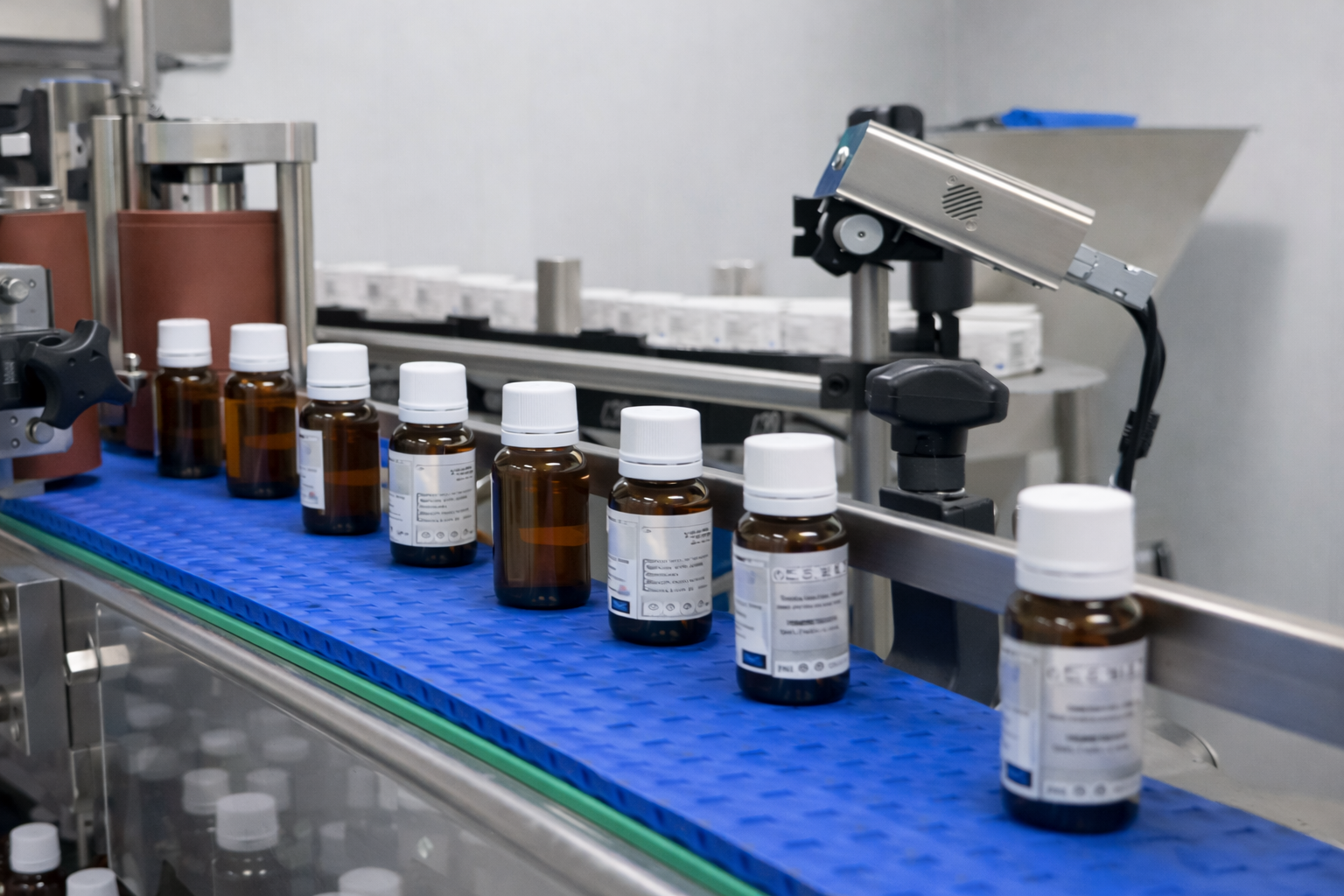
High-Precision Liquid Filling Systems
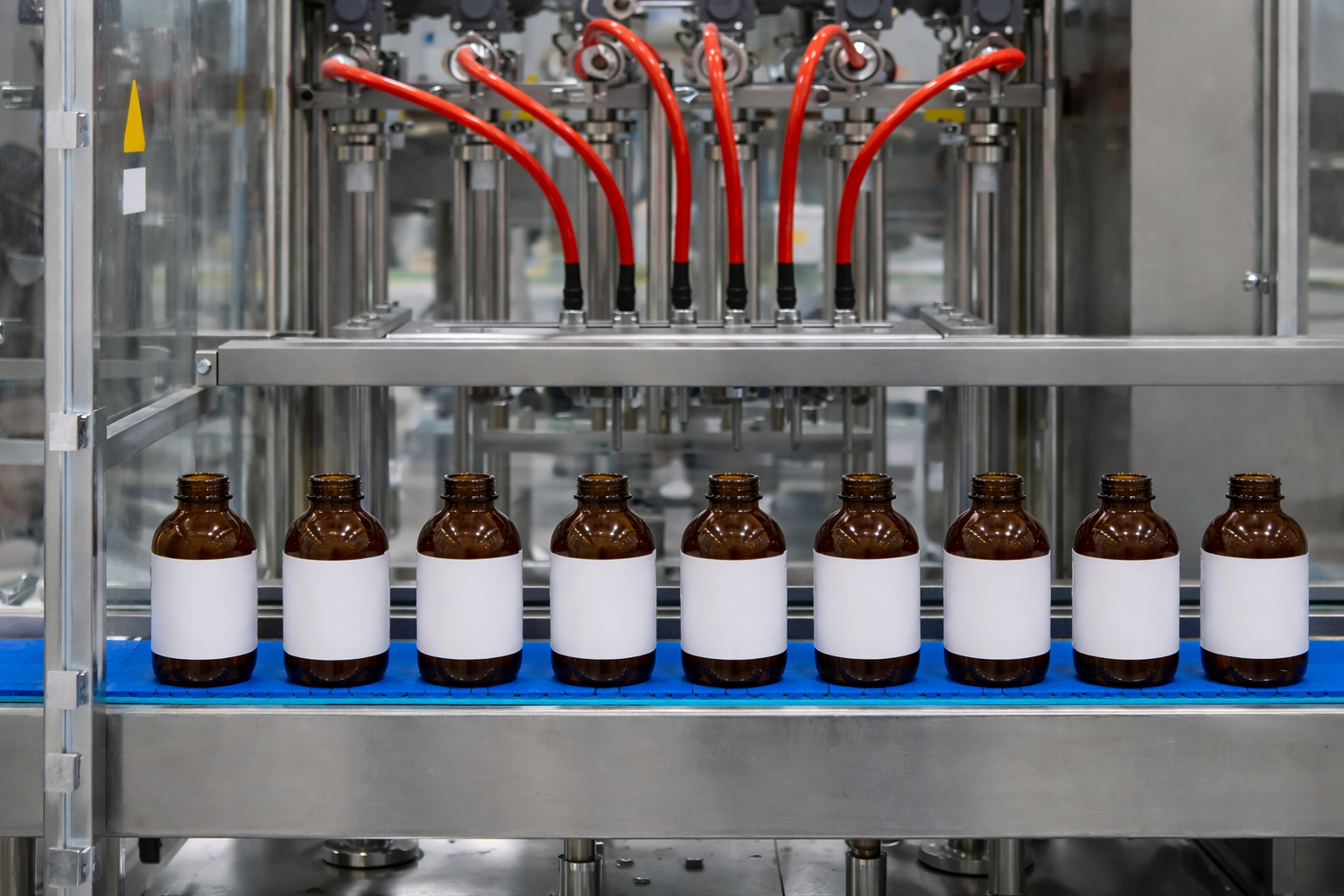
High-precision filling technologies are used for liquid pharmaceuticals such as syrups, drops, solutions, and similar products. The primary goal of these systems is to guarantee the same volume and consistent quality in every bottle.
Key features of liquid filling machines for the pharmaceutical industry include:
High-precision filling technology
Low tolerance ranges
Filling nozzles that prevent dripping and foaming
Closed and controlled product paths
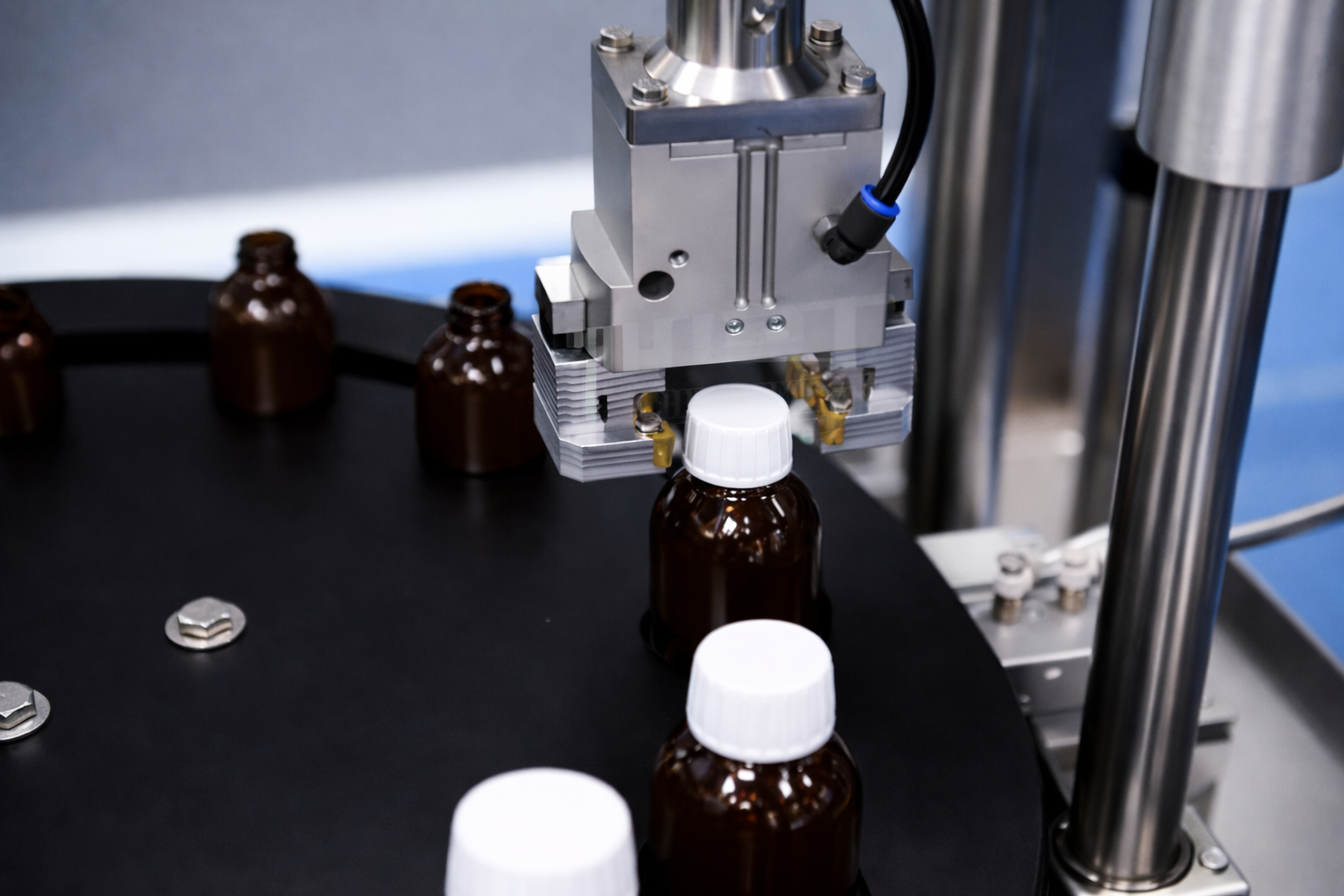
In addition, it is essential that filling systems are designed to comply with aseptic production requirements and allow complete and effective cleaning processes.
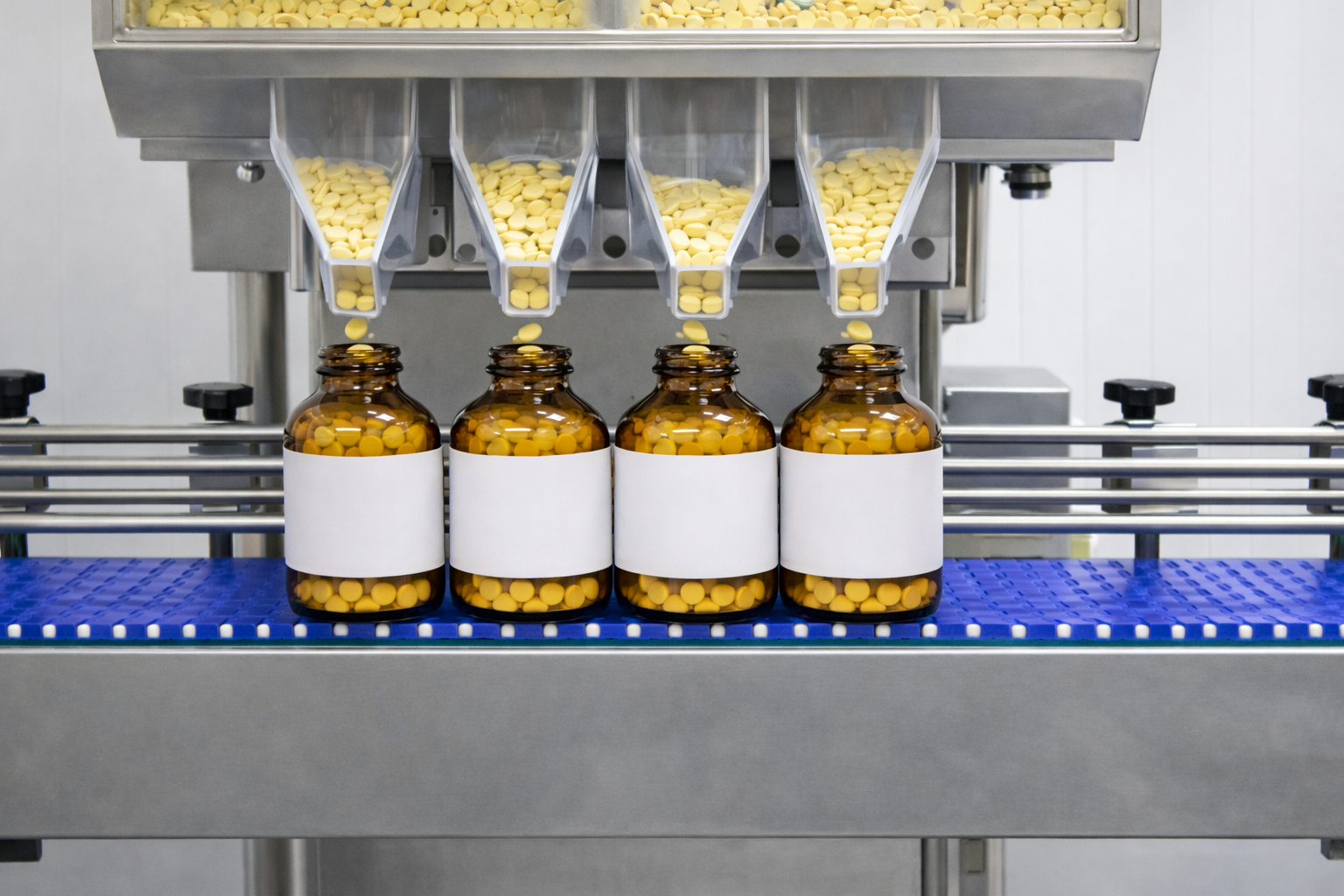
Tablet and Capsule Counting Systems
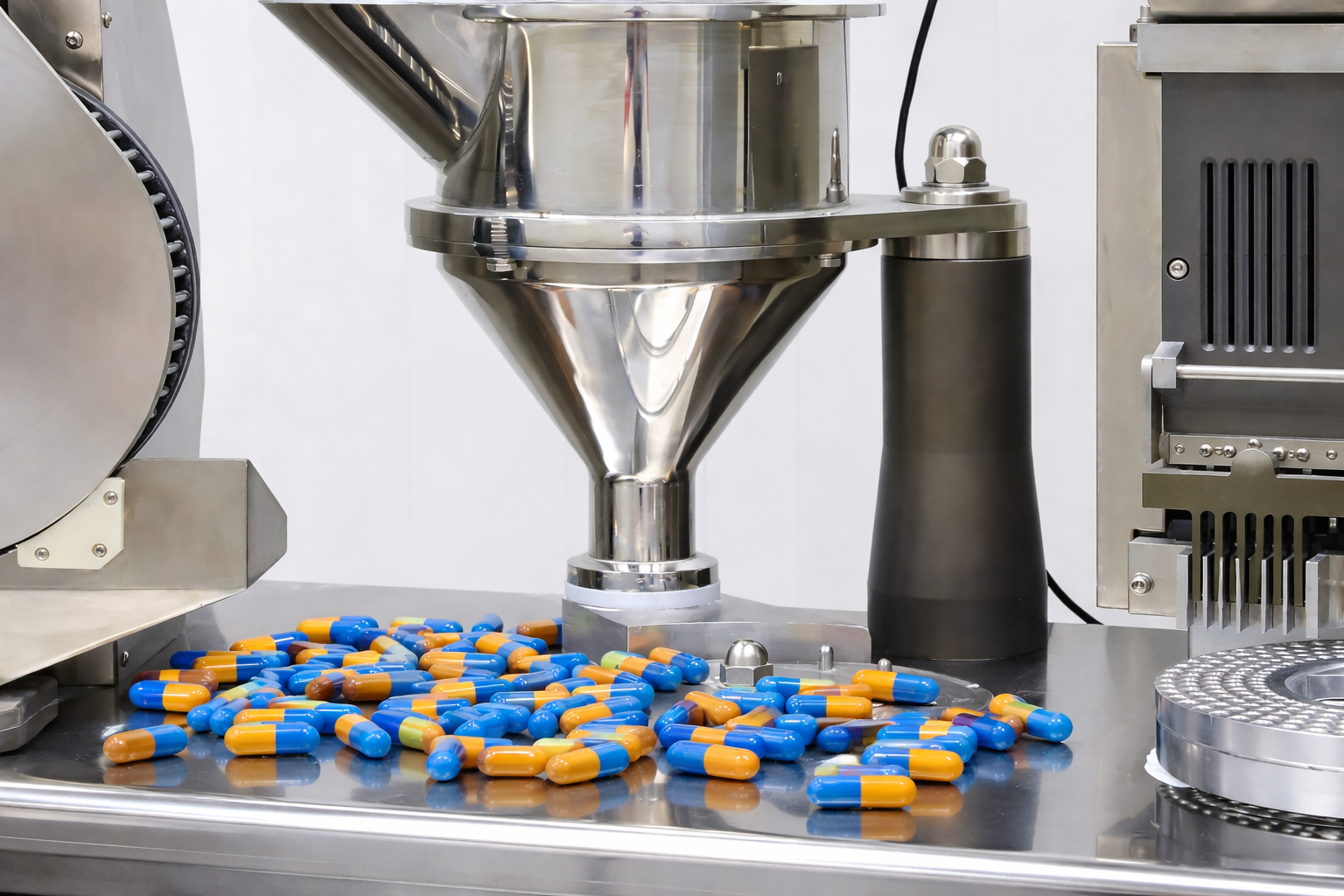
In tablet and capsule production, accurate counting is just as critical as filling. Each package must contain the exact specified quantity without error.
Modern tablet and capsule counting machines typically feature:
Optical or camera-based counting systems
Stable and accurate counting even at high speeds
Rejection of broken, cracked, or defective products
Automatic adjustment and control based on prescription settings
Systems that perform incorrect or insufficient counting may cause serious issues after products are released to the market, even if the problem is not detected during production.
Hygiene and Cleaning Are Essential in Pharmaceutical Manufacturing
Hygiene requirements in pharmaceutical manufacturing go far beyond food industry standards, with much stricter regulations applied. Therefore, filling and counting machines must prioritize:
Smooth, dead-zone-free product contact surfaces
Easy-to-disassemble and clean design
Structures that minimize operator error
Fast and safe execution of cleaning and maintenance processes
This approach eliminates the risk of cross-contamination and enhances overall production safety.
Automation, Control, and Traceability
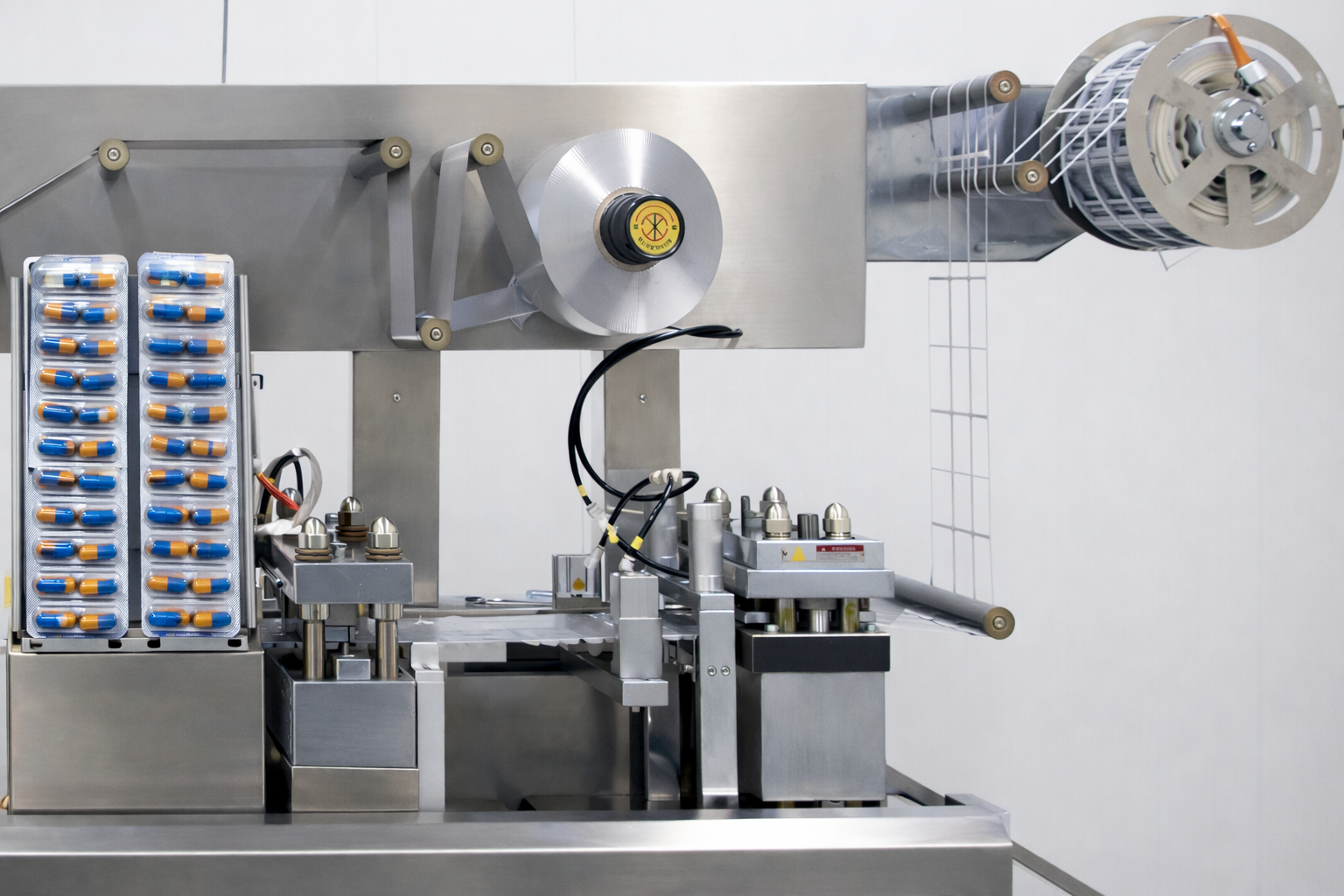
Filling and counting systems used in the pharmaceutical industry must operate at a high level of automation. With PLC-controlled systems:
Recipes are recorded and stored
Production parameters are fully traceable
Incorrect filling or counting is detected instantly
Operator dependency is minimized
This enables standardized production and sustainable quality.
Conclusion: The Right System Means Safe Pharmaceutical Production
In pharmaceutical manufacturing, high-precision filling and tablet counting systems directly impact not only production speed but also patient safety and regulatory compliance. Therefore, when selecting machinery, precision, hygiene, automation, and long-term reliability must be considered alongside speed and cost.
Filling and counting systems designed with the right engineering approach ensure safety at every stage of production and contribute to the long-term sustainability of the brand.