
- All
- Lines
- Liquid Filling Machines
- Cap Closing Machines
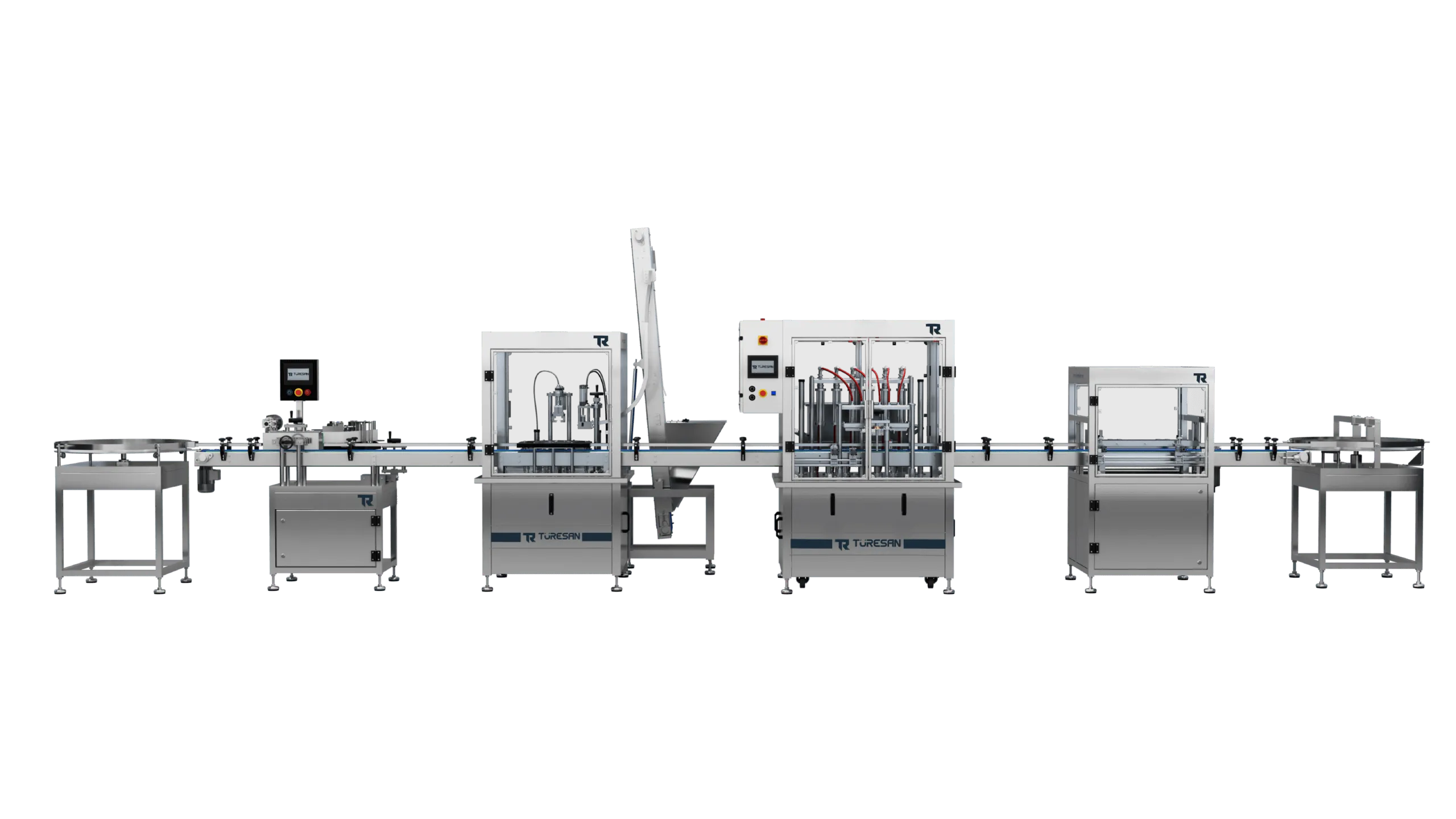
Conveyor System Linear Liquid Filling Line
It offers an advanced solution that optimizes your production line and increases efficiency by filling liquids at high speed using a linear system.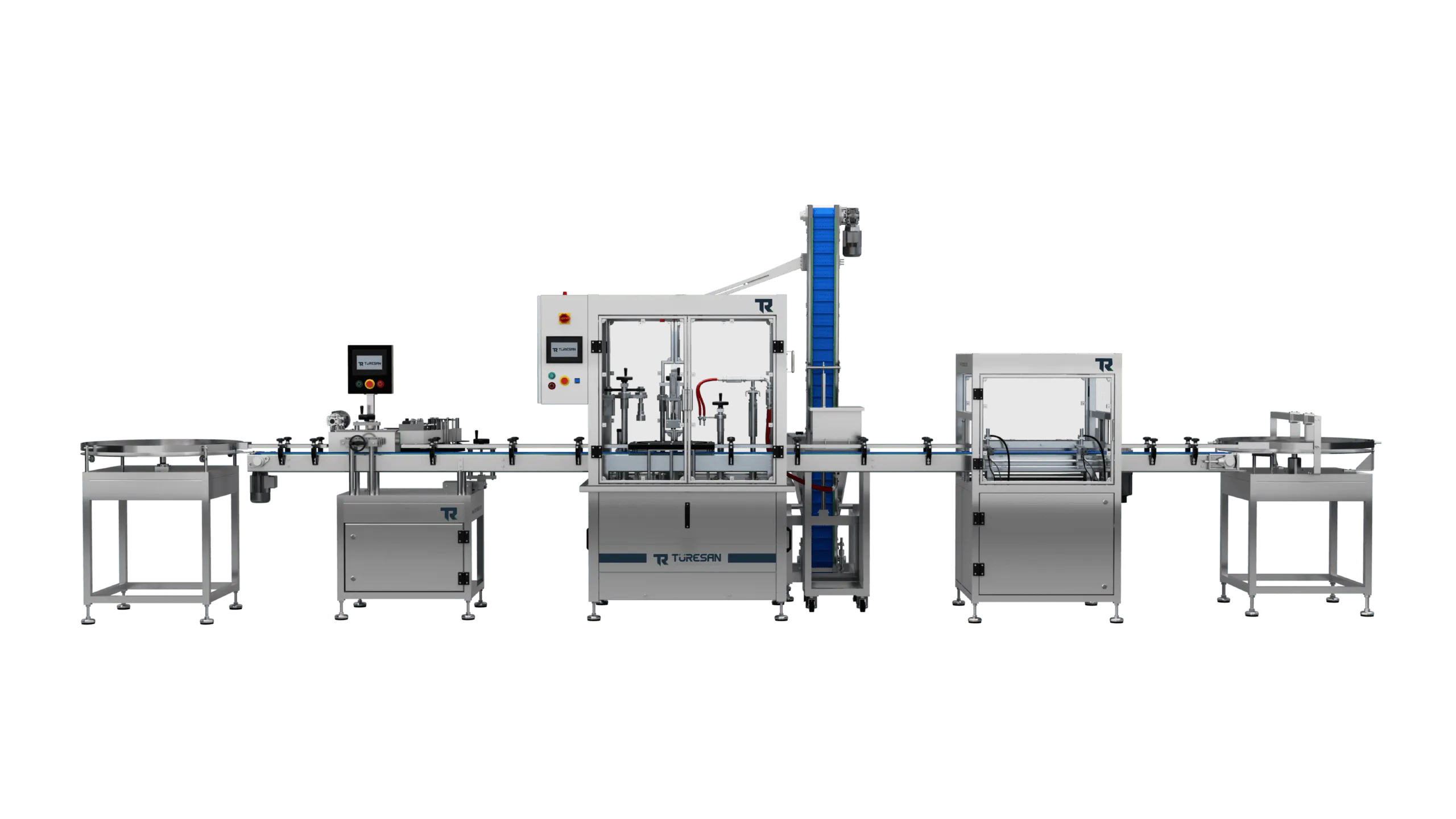
Conveyor System Rotary Liquid Filling Line
It continuously and rapidly fills liquids using a recirculating system, increasing capacity and accelerating the production process.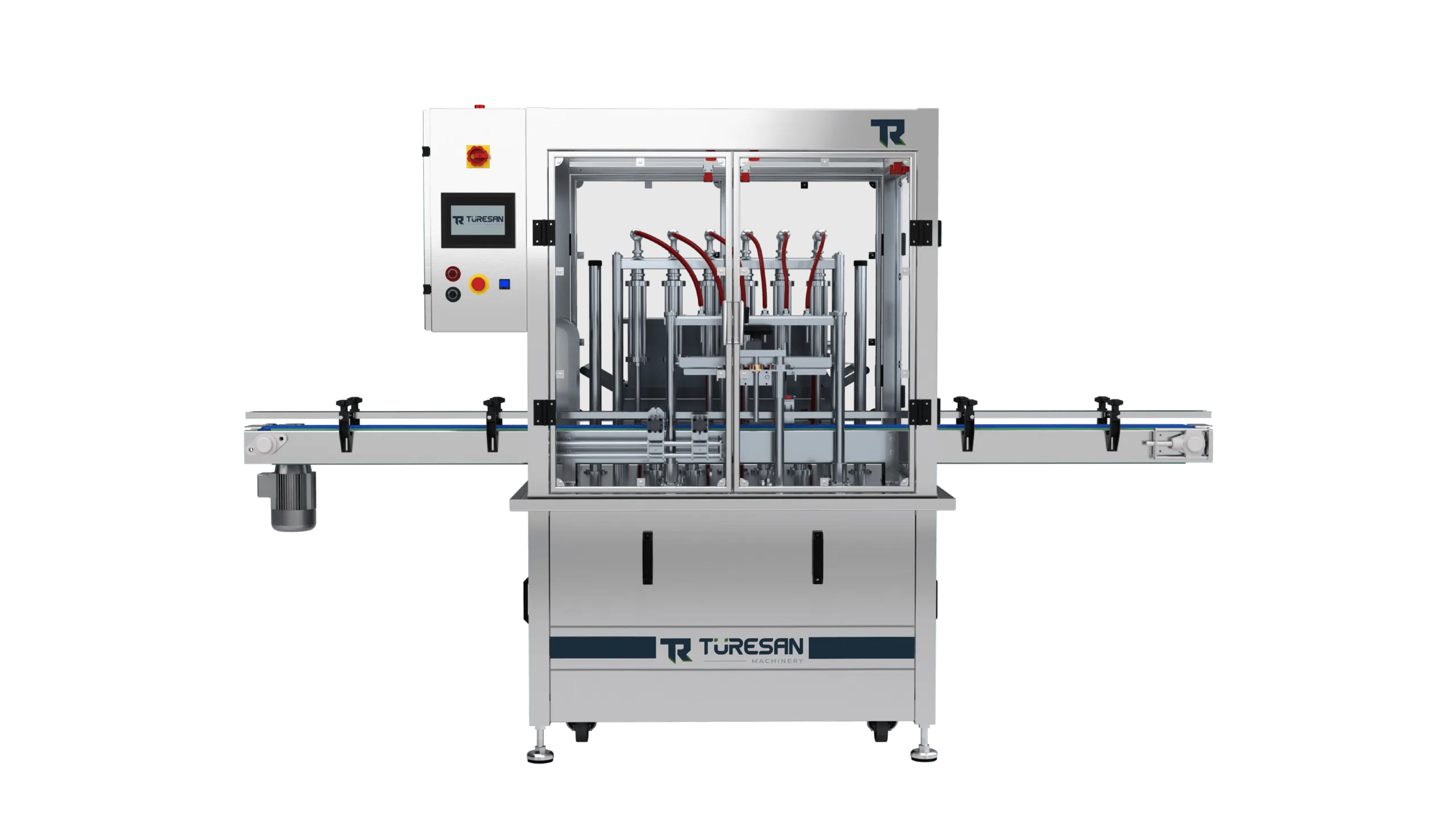
Conveyor System Linear Liquid Filling Machine
By filling liquids quickly and accurately with a linear system, it ensures maximum efficiency in filling processes.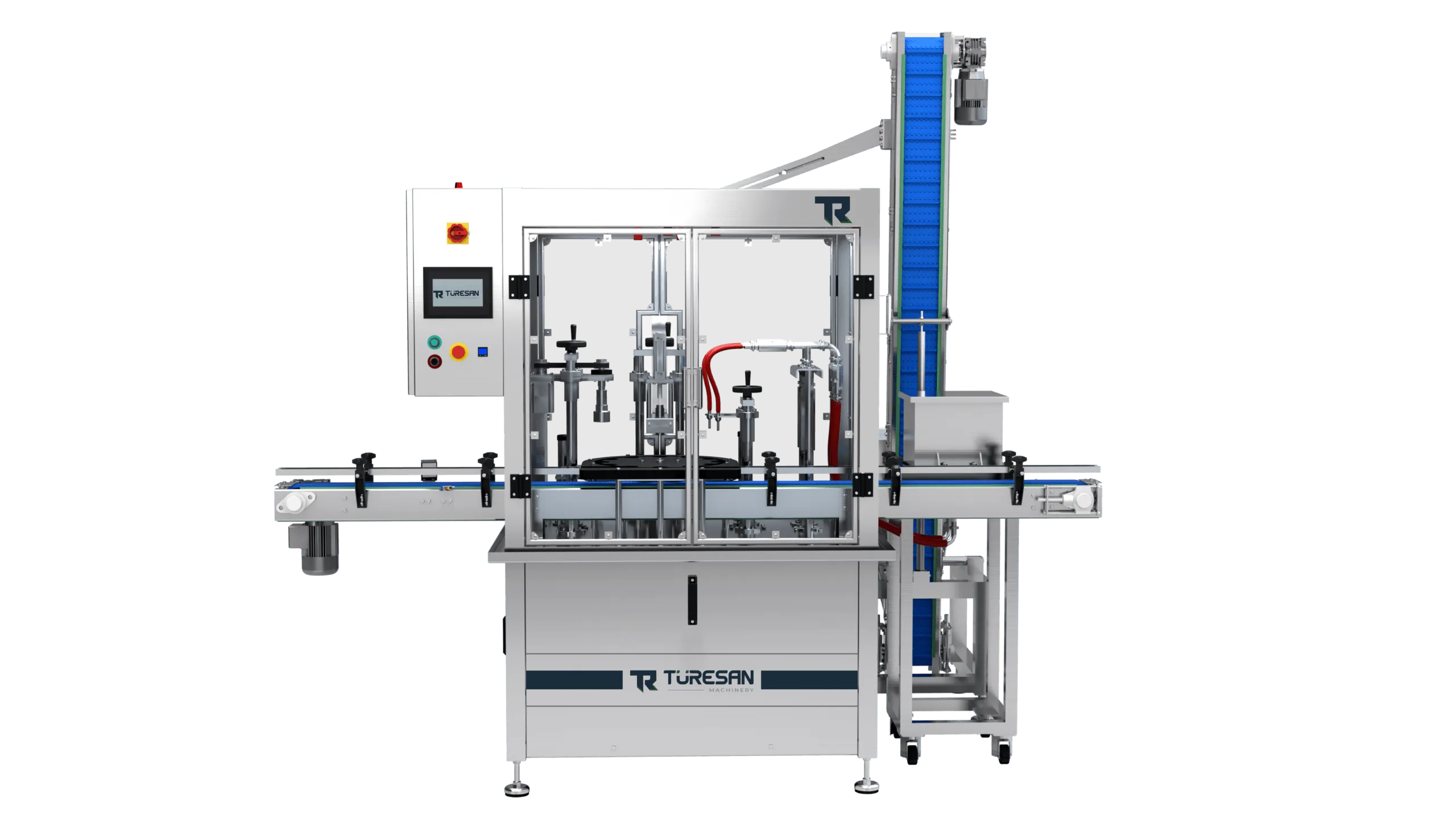
Conveyor System Rotary Liquid Filling Machine
A filling system that maximizes liquid filling capacity with a reversible structure and increases efficiency by accelerating your production processes.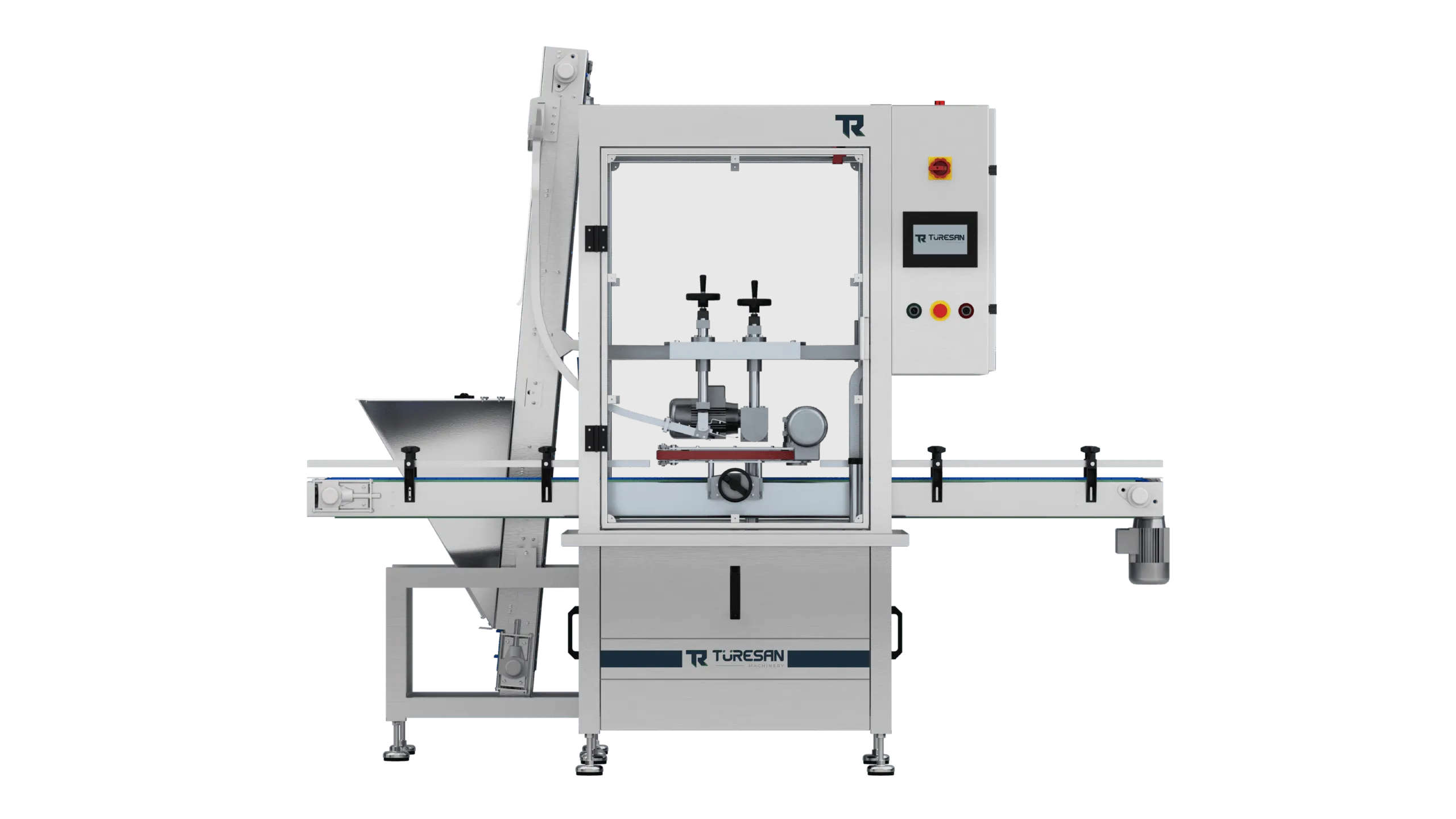
Linear System Capping Machine
An efficient system that increases your production speed with automatic lid closing and securely seals your products.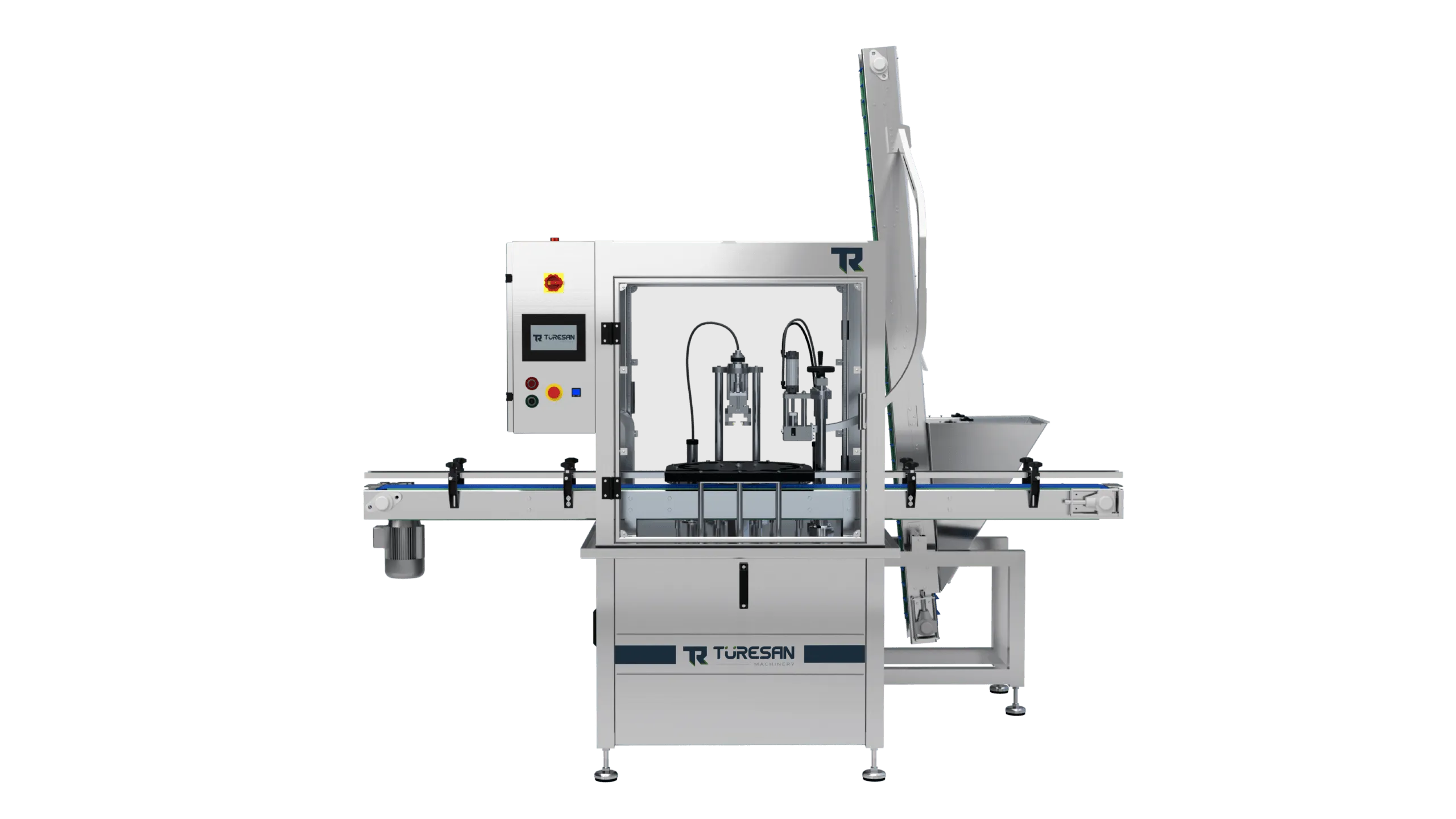
Rotary System Capping Machine
It is a machine that optimizes your production process by performing a fast and secure lid closing operation with a reversible system.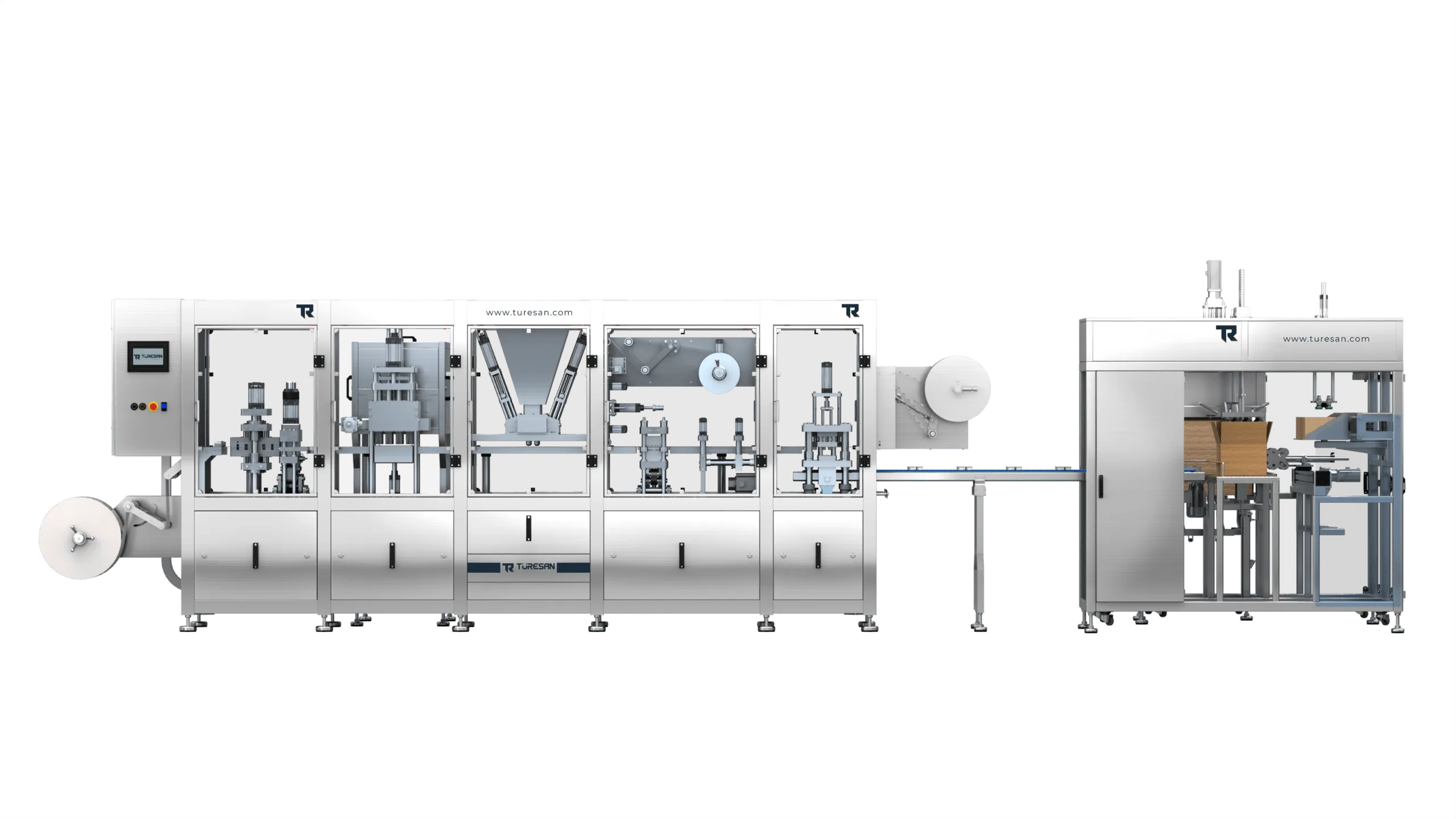
Thermoforming Machine
An automatic thermoforming machine that speeds up your packaging production processes and provides flexibility by shaping with heat.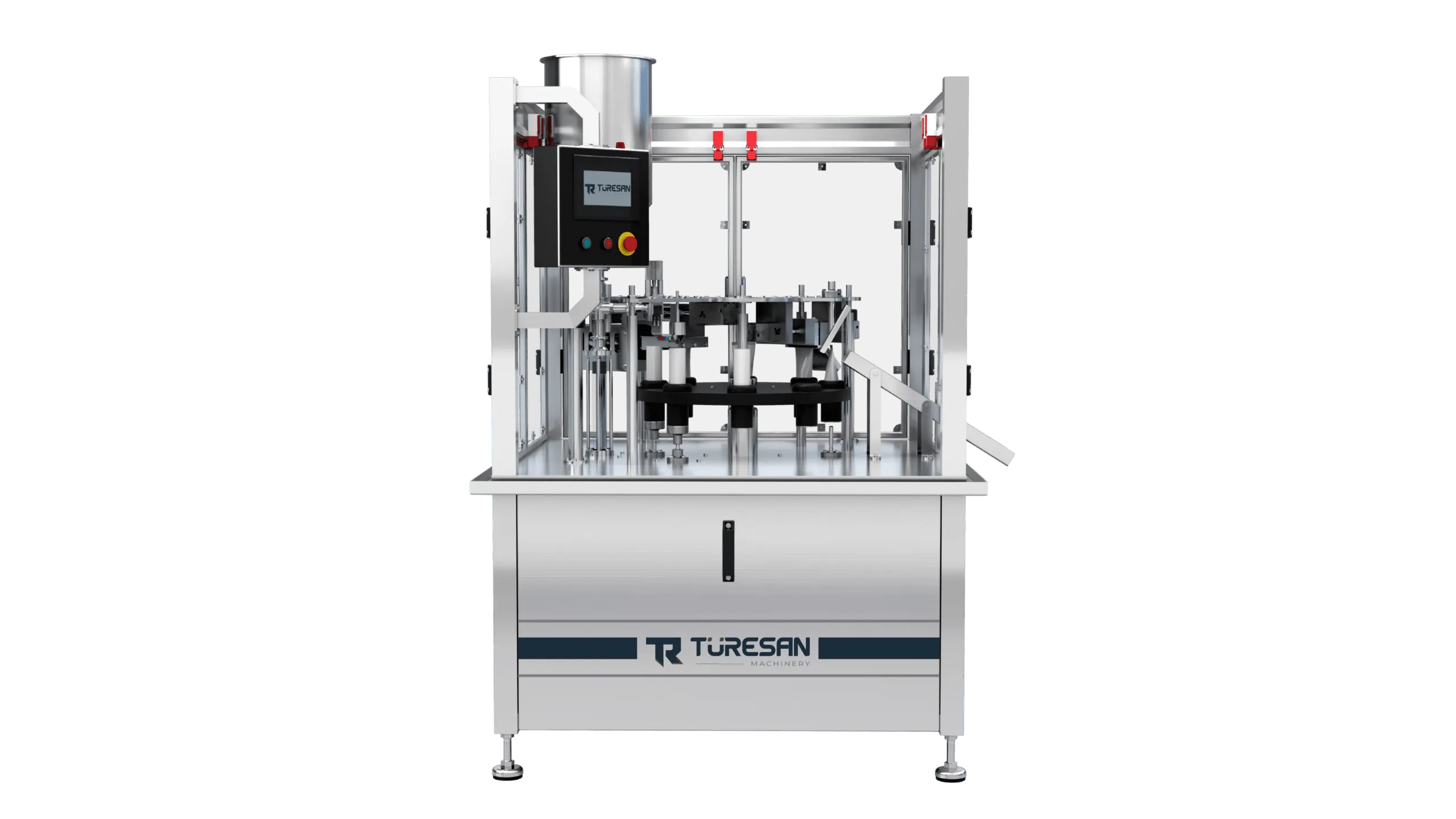
Tube Filling Machine
It is a machine that speeds up your filling processes by filling tubes with high precision and increases efficiency on your production line.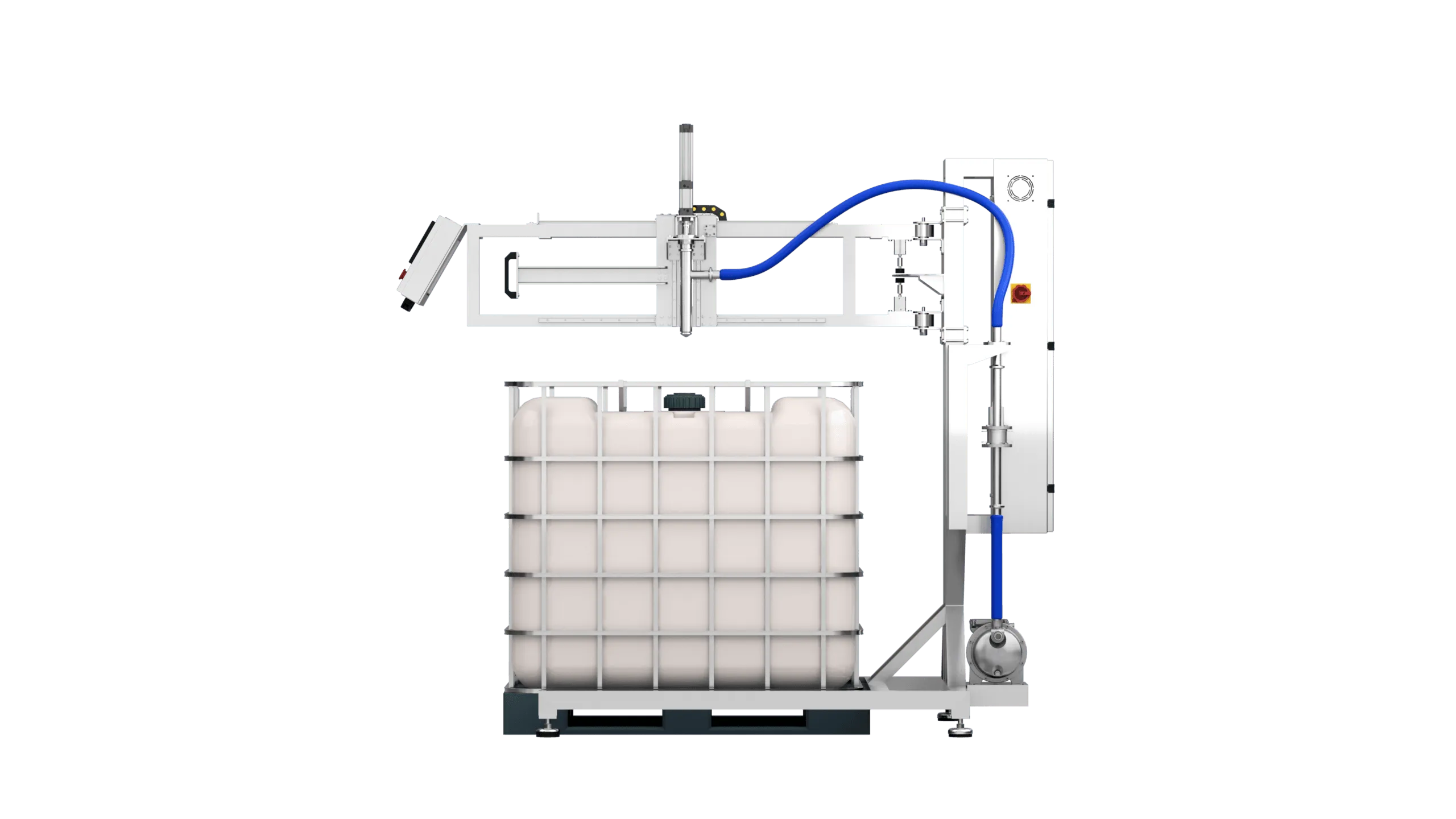
Drum Filling Machine
It is an automatic filling machine that provides speed, accuracy, and safety on your production line by ensuring the safe and rapid filling of barrels.Liquid filling machine selection guide
The right liquid filler depends on product viscosity, foaming behaviour, container type and target output. Choosing the wrong filling principle costs either accuracy or unnecessary investment. Türesan builds liquid filling lines with four filling technologies: volumetric (piston), flowmeter, load cell (net weight) and level filling.
Filling technologies compared
| Technology | How it works | Best for | Watch out for |
|---|---|---|---|
| Volumetric (piston) | Draws and dispenses an adjustable piston volume. | Medium to high viscosity: creams, sauces, honey, gels, oils | Volume must be reset at product changeover |
| Flowmeter | Measures the flowing volume and stops the fill; no change parts. | Low-viscosity, clean liquids: water-based products, beverages, chemical solutions | Fast changeover; not suited to particulates |
| Load cell (net weight) | A scale under the container stops the fill at target weight. | Large packs, jerrycans and drums; products sold by weight | Most accurate when the sales unit is kilograms |
| Level filling | Fills every bottle to the same height. | Clear bottles needing a uniform look, foaming liquids | Quantity varies if bottle volume varies |
Linear or rotary?
Linear machines move bottles on a straight conveyor; changeovers are easy and they suit medium output with many SKUs. Rotary machines index bottles continuously on a star wheel and are preferred for high-speed, single-product lines. Türesan integrates filling, capping and labelling on one line in both layouts.
Türesan liquid filling lines — technical frame
- Filling accuracy: ± 0.3% · Nozzles: 1–12
- Filling ranges: 20–300 ml, 100–1000 ml, 250–2500 ml, 500–5000 ml, 2–20 L and 5–30 L
- AISI 304 stainless frame; product-contact parts AISI 316L; level-controlled 316L buffer tank
- 0.12 micron filtered, ionised air · Power 380 V, 50 Hz, 3-phase · Compressed air 6–8 bar
Output is calculated from bottle shape, nozzle count and product viscosity. Share a product sample and container details and the filling principle and nozzle count are defined together.
Last updated: 7 October 2026